Chargé de recherche (CR) / Assistant Research Professor, Joint Research Unit in Environmental Acoustics (UMRAE, Cerema, Gustave Eiffel University) Affiliated Scientist, Department for the Ecology of Animal Societies (EAS, Max Planck Institute of Animal Behavior)
I study how animals communicate, behave, and respond to anthropogenic disturbances using biologging and bioacoustics
Animal communication and acoustic environments
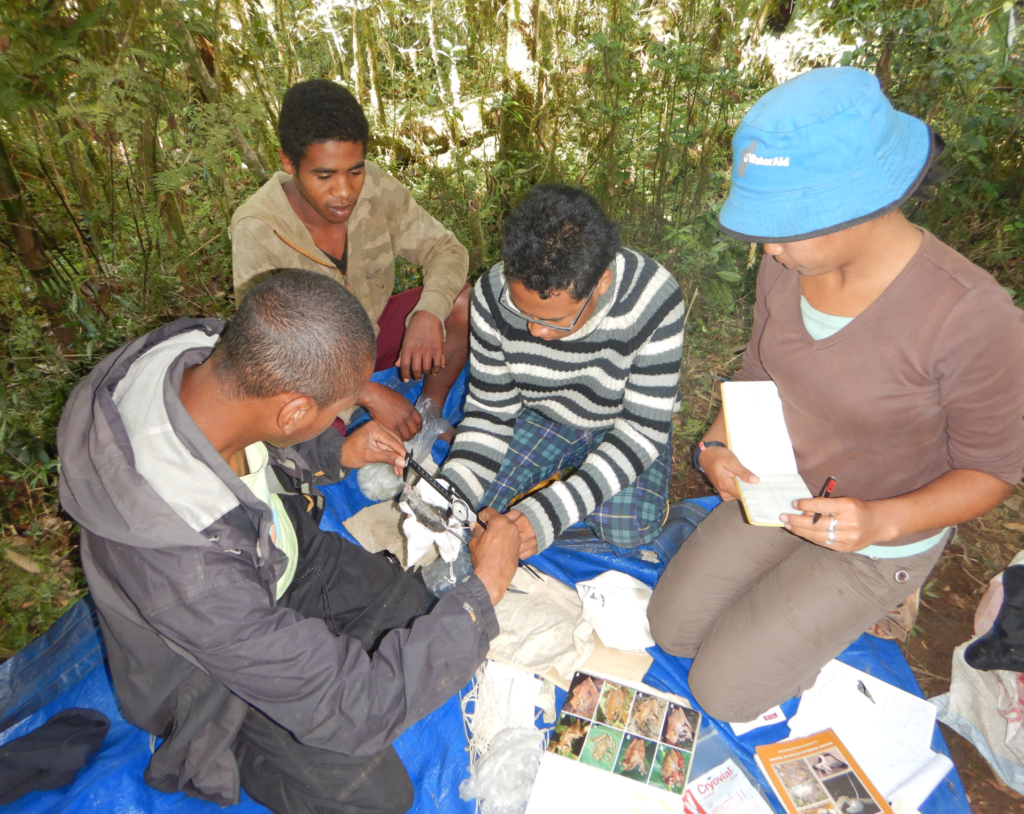
My research focuses on how animals perceive, use, and adapt acoustic signals in increasingly human-altered environments, and how this shapes behavior, movement, and communication. As a field biologist and bioacoustician with a background in conservation biology, I investigate animal communication using approaches that combine behavioral ecology, bioacoustics, and biologging.
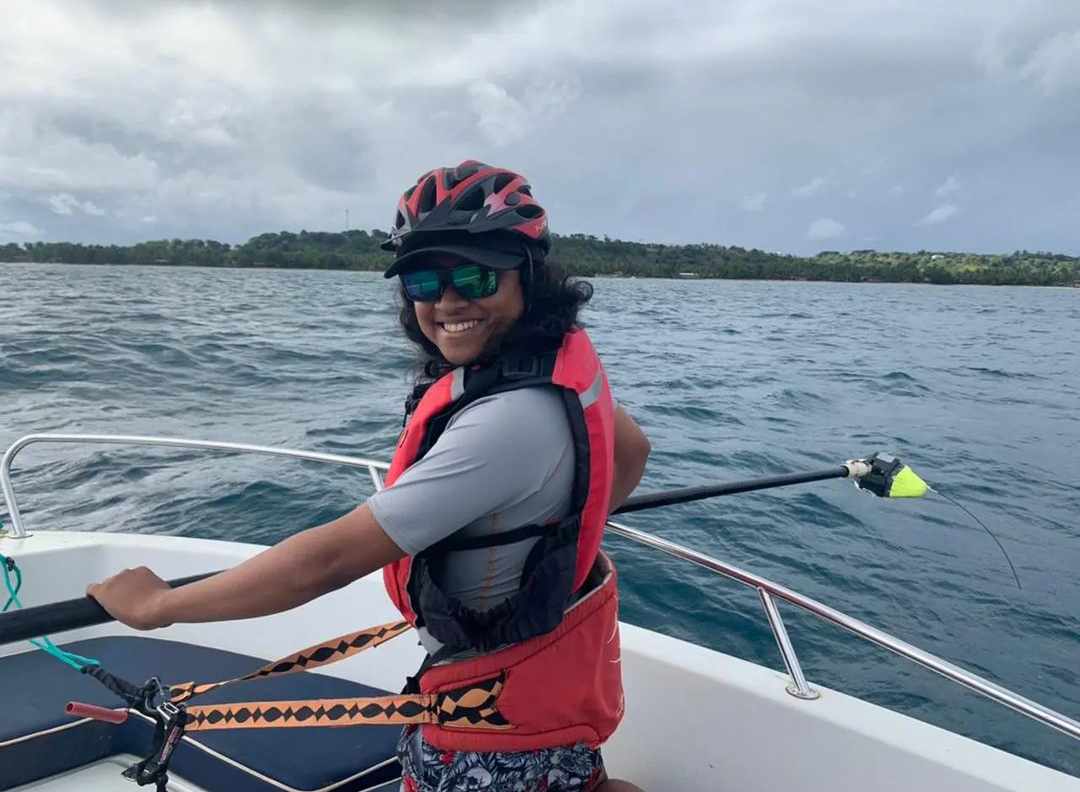
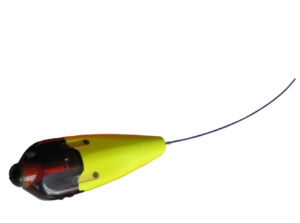
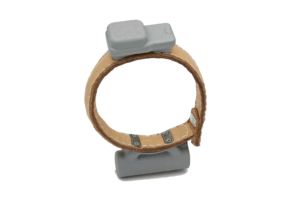
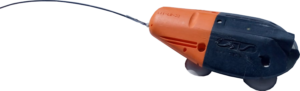
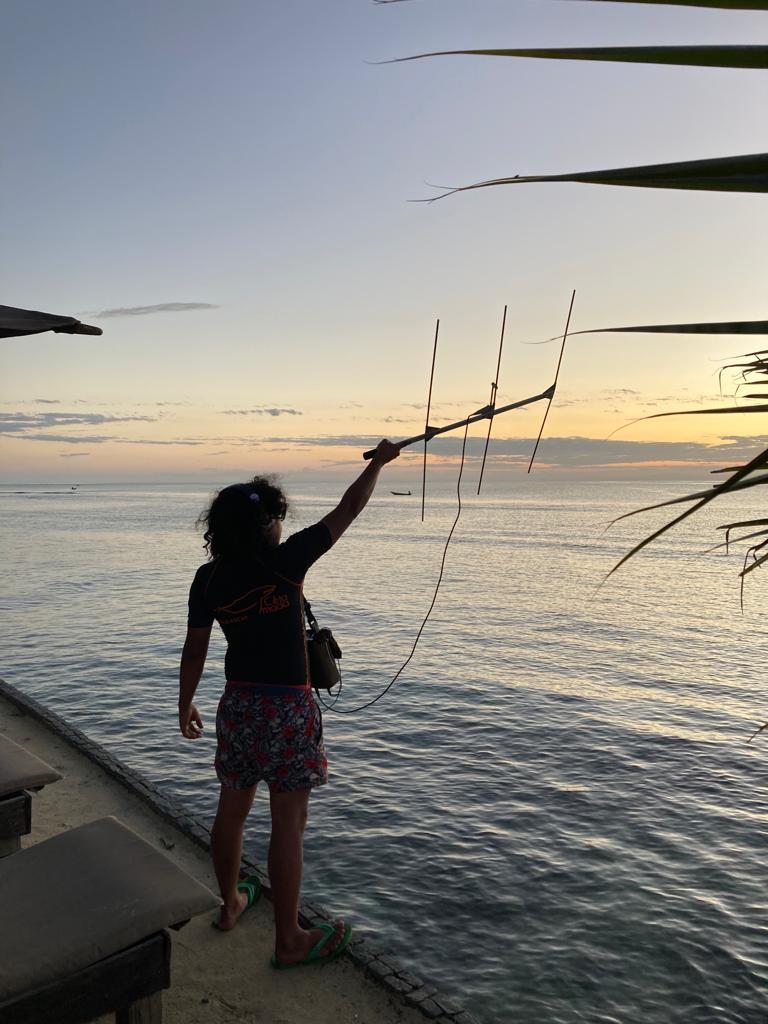
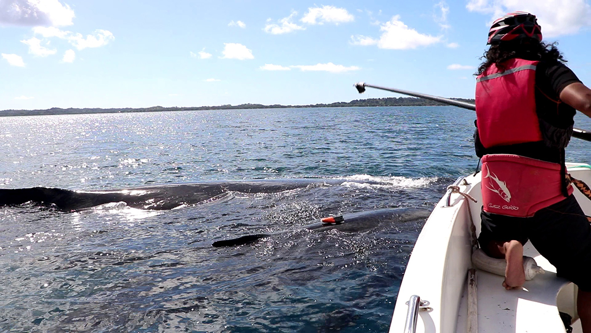
Much of my work relies on experimental and observational studies conducted in natural environments. I use animal-borne multi-sensor tags to record fine-scale behavioral and acoustic data, which I analyze using signal-processing and quantitative approaches.These high-resolution datasets provide a detailed view of how animals move, interact, and communicate within their acoustic landscapes.
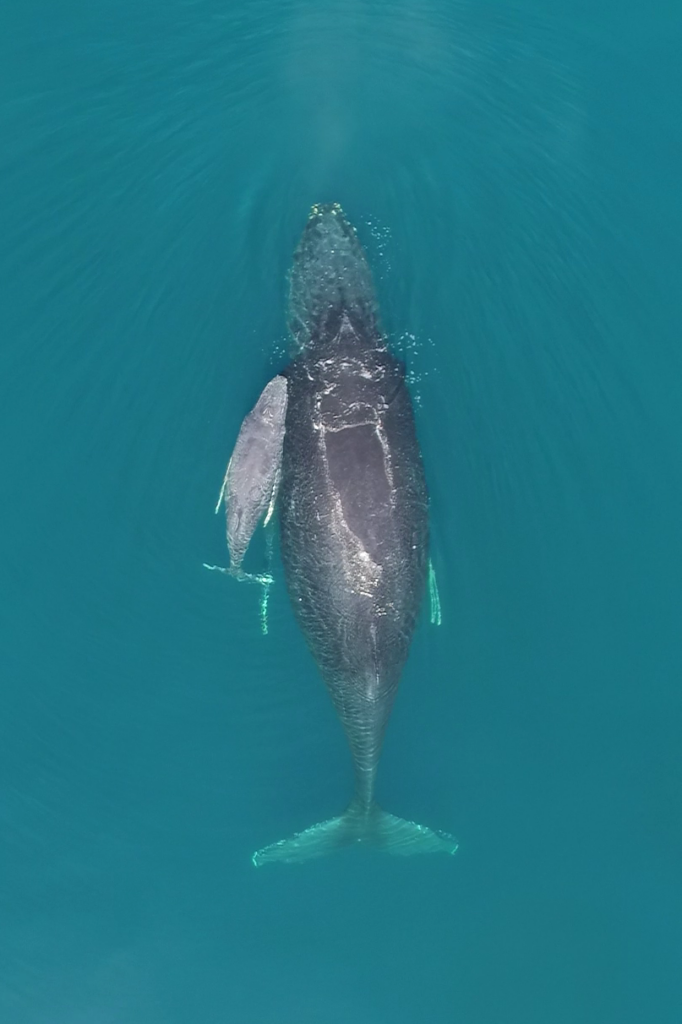
During this work, I developed an automated approach to detect suckling behaviour from accelerometer data. This method allowed us to characterise suckling behaviour in detail, including its temporal patterns, laterality, and behavioural context. I also investigated swimming behaviour in mothers and calves, describing how calves develop locomotor abilities and how mothers assist them in navigating their three-dimensional environment. In parallel, I analysed humpback whale vocalisations and linked calls to behavioural contexts, providing, for instance, evidence supporting the use of begging calls by humpback whale calves.
Now a continuing collaboration,I investigate the information encoded in sifaka vocalisations and analyze patterns of call use within and across groups to understand their social and ecological functions, using biologging approaches similar to those I used in marine systems.
Current research: bioacoustics and anthropogenic disturbances
Since January 2026, I have been a Chargé de recherche (Assistant Professor-level, research-track position in the French academic system) at the Research Unit in Environmental Acoustics (UMRAE, Cerema, Université Gustave Eiffel). My research builds on my background in bioacoustics and behavioral ecology to address questions aboutthe impacts of human activities on wildlife.
I am particularly interested in how renewable energy infrastructures affect animal behavior and acoustic communication, and in developing bioacoustic approaches to assess and mitigate these impacts.
Across these systems, my work combines behavioral observations, bioacoustics, ecoacoustics, and targeted biologging to better understand animal movements, activities, vocalizations, and acoustic environments.