Research
My research aims to understand how animals perceive, produce, and use acoustic information, how this shapes their behavior, movement, and communication, and how these processes are modified in increasingly human-altered environments.
Although my research began with marine mammals, particularly whales, it has progressively expanded to terrestrial systems, reflecting my interest in addressing broad ecological questions across taxa. I combine bioacoustics, behavioral ecology, and biologging to investigate the mechanisms underlying animal communication, behavior, and the use of acoustic information, while also addressing the effects of anthropogenic disturbances, such as noise pollution, on these systems.
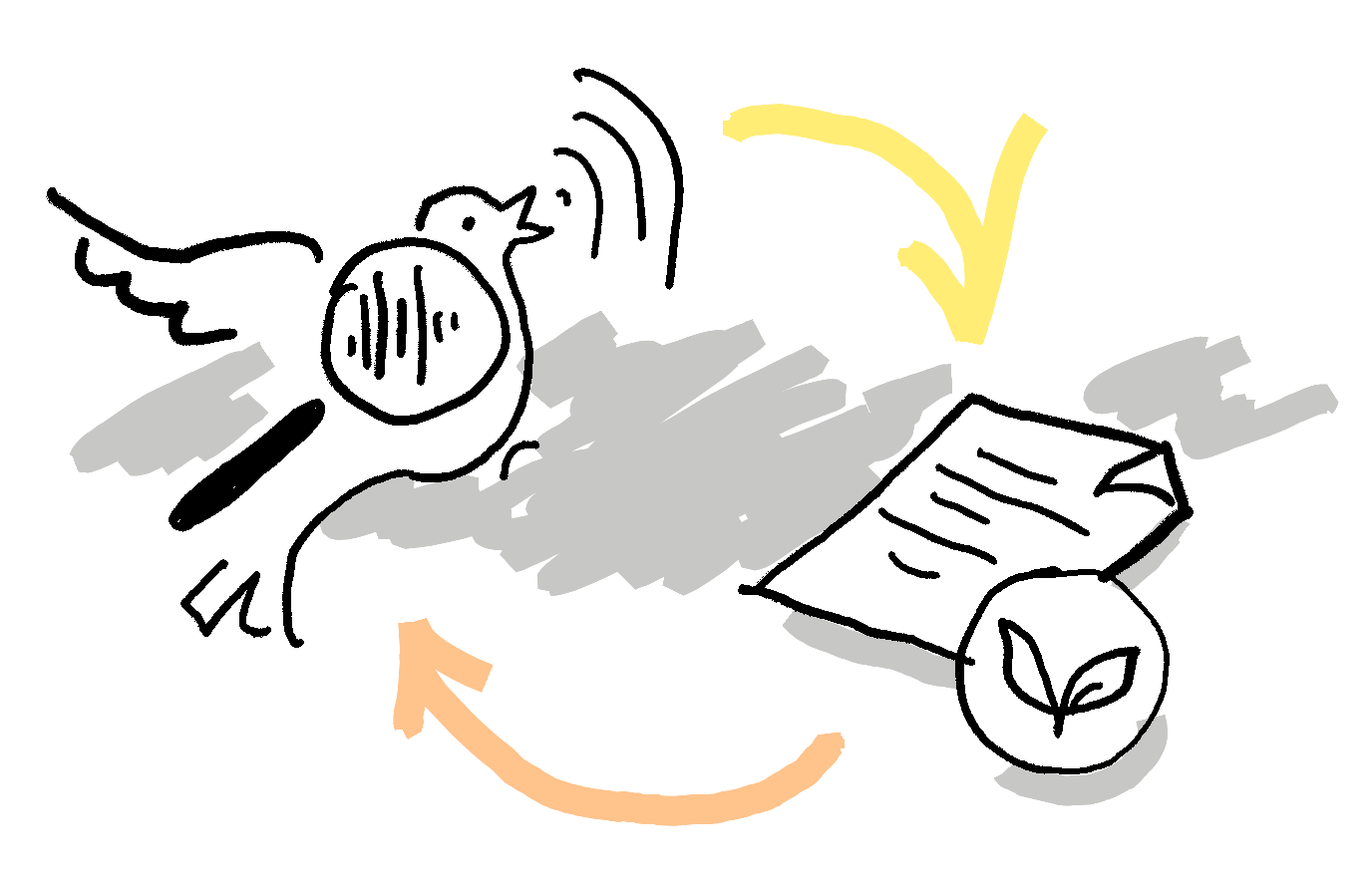
I am particularly drawn to field-based research, which I consider essential for understanding ecological processes in their natural context. Working across diverse ecosystems and study species allows me to test general principles while developing approaches that are transferable across systems. My research spans the continuum from fundamental questions about animal communication and behavior to applied challenges in conservation biology. Ultimately, I aim to generate knowledge that not only advances our understanding of how animals interact with their acoustic environment but also supports evidence-based conservation, mitigation strategies, and environmental policy.

Developing Acoustic Deterrents for Conservation
Reconciling renewable energy development with biodiversity conservation is one of the major challenges of the ecological transition. While wind energy plays a central role in reducing greenhouse gas emissions, operating wind turbines can negatively affect wildlife, particularly through bird collisions with rotating blades.
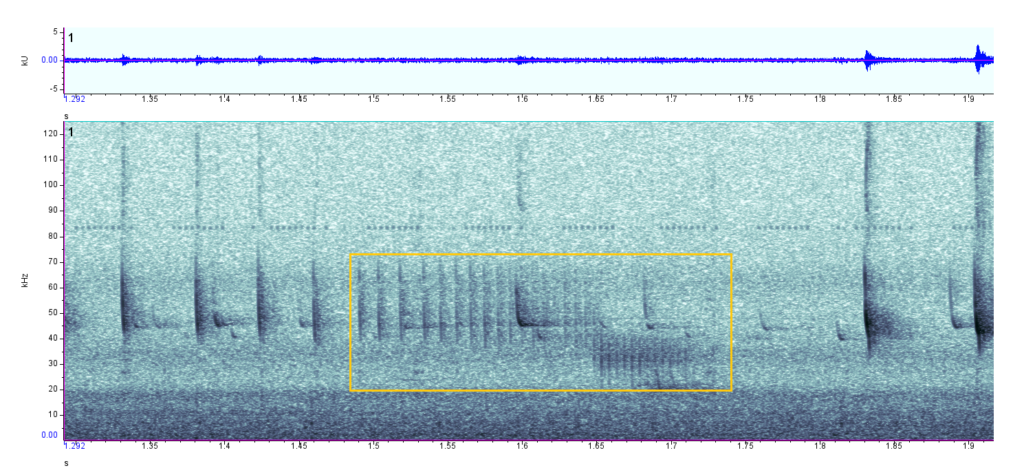
Among the mitigation measures currently implemented, acoustic deterrents, which emit sound signals to alter bird behavior and divert flight trajectories away from turbines, are increasingly being deployed. However, their effectiveness remains highly variable among species and even among individuals, and the ecological, behavioral, acoustic, and operational factors driving this variability remain poorly understood.
Building on collaborations with industrial partners developing automated bird-detection and deterrent systems, I am currently developing a research program to understand the mechanisms underlying the effectiveness of acoustic deterrents. By integrating behavioral ecology, bioacoustics, and field observations, this work seeks to identify the determinants of successful deterrence, optimize existing systems, and further explore biologically inspired alternatives to synthetic warning signals. Ultimately, the goal is to translate our understanding of animal perception and behavior into more effective and biodiversity-friendly mitigation strategies for wind energy production.

Urban Ecology of Bats Using Acoustic Activity Data
Urbanization is profoundly transforming natural habitats, creating increasingly heterogeneous environments characterized by novel combinations of habitat structure, artificial light, and anthropogenic noise. Understanding how wildlife responds to these changes is becoming increasingly important for biodiversity conservation in cities.
In collaboration with the Evolville project of the LIVE laboratory (University of Strasbourg, CNRS) within the Eurométropole of Strasbourg, we investigate how bats forage across urban environmental gradients. Using a network of 60 passive acoustic monitoring stations distributed across the Strasbourg metropolitan area, we quantify feeding activity in relation to urban morphology, vegetation structure, soil characteristics, and sensory pollution.
This research combines acoustic monitoring and behavioral ecology to understand how bats exploit heterogeneous urban environments and respond to multiple anthropogenic pressures, while contributing to the development of transferable approaches for monitoring urban biodiversity.

Vocal Communication, Group Behavior, and Responses to Environmental Challenges in a Group-Living Arboreal Mammal
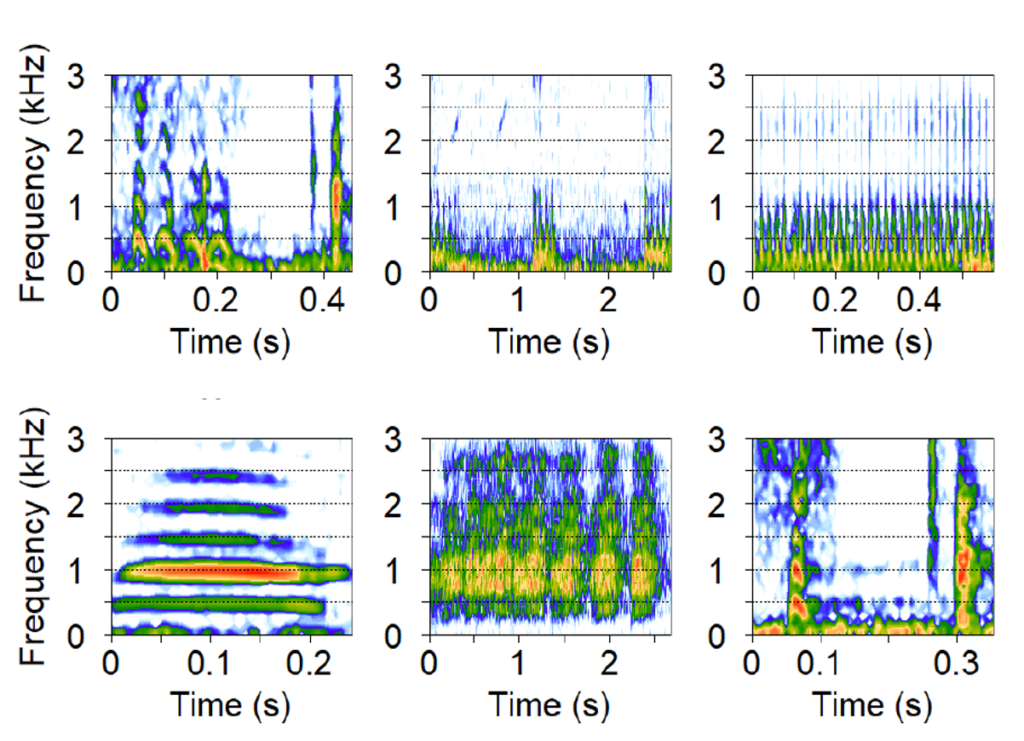
Group living depends on the continuous exchange of information among individuals. Animals communicate their identity, movement intentions, the presence of predators, and the location or quality of resources while maintaining group cohesion and adapting to changing environmental conditions. At the same time, communication is constrained by the physical environment, which shapes signal propagation and information transfer.
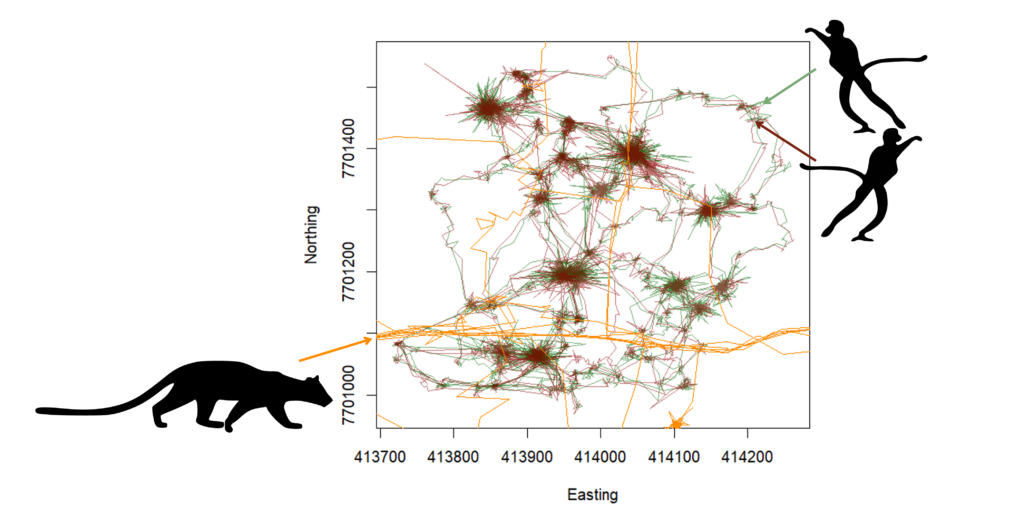
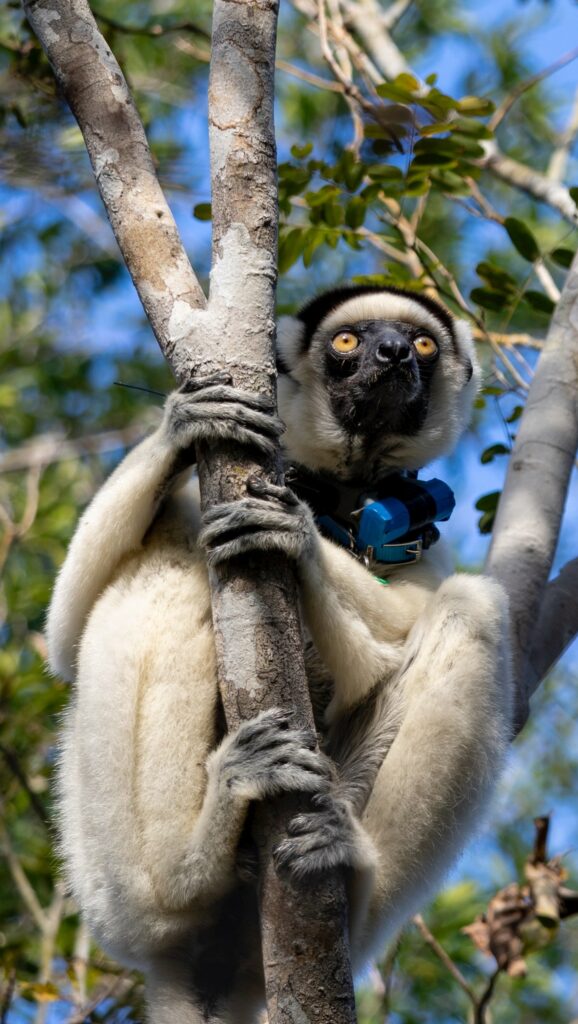
Using Verreaux’s sifakas as a model system, I investigate how acoustic communication mediates group behavior, collective decision-making, and responses to ecological challenges. This work combines simultaneous GPS, inertial sensors, and microphones deployed on multiple individuals across several social groups, together with predator biologging, passive acoustic monitoring, camera traps, habitat mapping, and long-term demographic monitoring.
This system provides a unique opportunity to study how social animals exchange information, coordinate their behavior, and respond to environmental variability. It also serves as a platform for developing analytical methods to quantify communication, social interactions, and behavioral responses that are readily transferable to other ecological systems. Initiated at the Max Planck Institute of Animal Behavior with support from the Alexander von Humboldt Foundation, this research now continues as an international collaboration among my lab, the Max Planck Institute of Animal Behavior, and several partner institutions.
Impacts of Vessel Traffic on Marine Mammals
Maritime traffic is increasing worldwide, exposing marine mammals to growing levels of disturbance through underwater noise, vessel presence, and collision risk. Despite the importance of these threats, the mechanisms by which marine mammals perceive, assess, and respond to approaching vessels remain poorly understood. For example, whales sometimes fail to avoid vessels despite the substantial noise they generate.
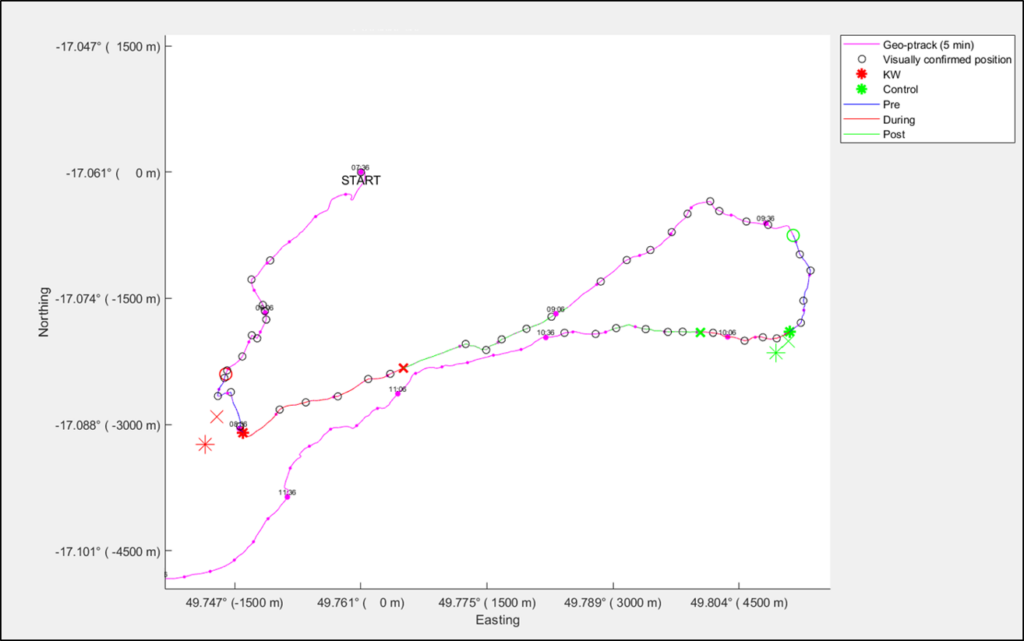
As part of a collaborative research effort within UMRAE and with external partners, I contribute to studies investigating interactions between marine mammals and vessels, focusing on integrating bioacoustics, behavioral ecology, and animal-borne sensing to better understand how animals perceive and respond to approaching boats.
Using approaches such as controlled playback experiments, sound-propagation experiments, behavioral reconstructions from multi-sensor tags, and quantification of acoustic exposure, we investigate how vessel-generated stimuli influence animal behavior and how these responses relate to collision risk. By comparing responses to vessels with natural antipredator behaviors, this work also seeks to place anthropogenic disturbance within the broader context of animal risk perception.
Ultimately, this collaborative research aims to improve our mechanistic understanding of vessel-wildlife interactions and contribute to the development of evidence-based mitigation strategies to reduce the impacts of maritime traffic on marine mammals.
Social Behavior of Humpback Whales
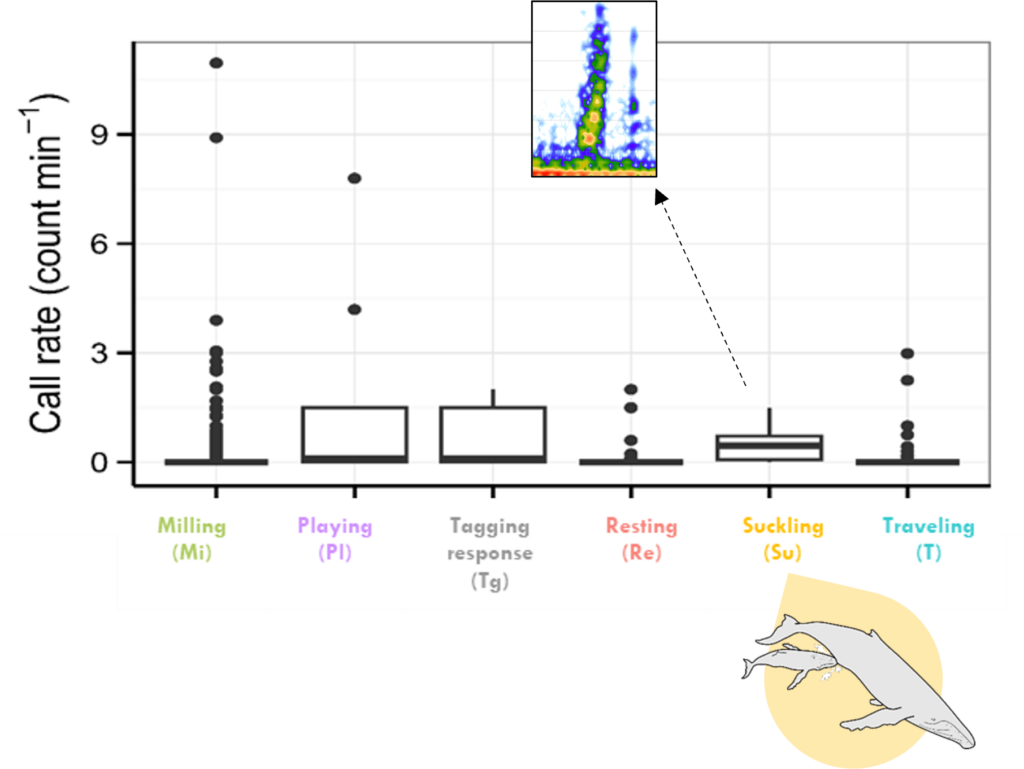
Understanding the behavior and social ecology of species is fundamental for effective conservation. In collaboration with a local conservation organization, the Cetamada NGo, my research, conducted with the Acoustic Communications team at the Paris Saclay Institute of Neurosciences (NeuroPSI), has focused on understanding the behavior and social interactions of humpback whales while developing innovative biologging approaches to study free-ranging marine mammals.
This research initially centered on mother-calf pairs, one of the most vulnerable social units in whale populations. Taking advantage of recent advances in animal-borne multi-sensor biologging, I investigated nursing behavior, swimming dynamics, and acoustic communication, providing new insights into maternal care that had previously remained difficult to observe in the wild. The research has now contributed to developing broader questions on humpback whale social behavior, including the dynamics of competitive groups and other social contexts.
Although this work originated during my doctoral research, it continues today through ongoing collaborations and the development of biologging and analytical approaches. Beyond advancing our understanding of humpback whale behavioral ecology, it has contributed to the development of analytical frameworks for interpreting multi-sensor animal-borne data, detecting behavioral states, and quantifying social interactions, approaches that continue to inform my research across a diversity of taxa.